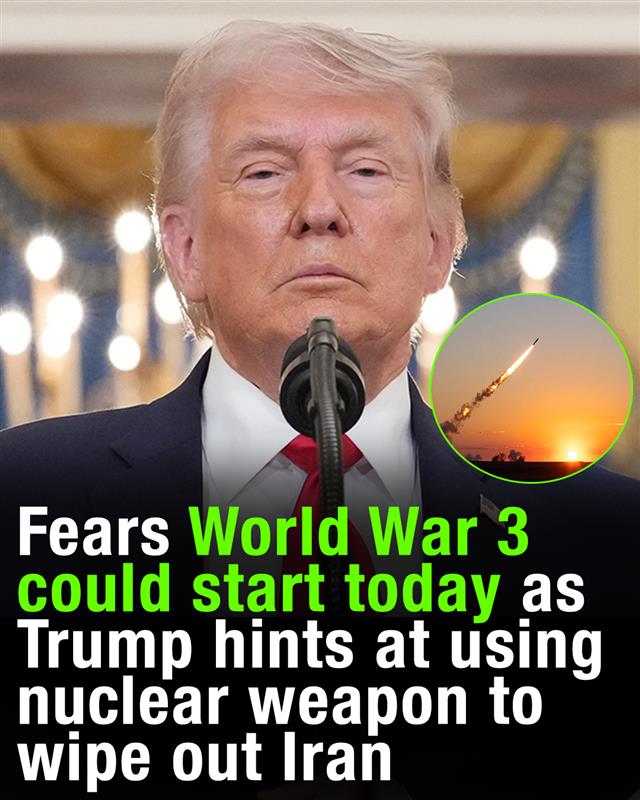

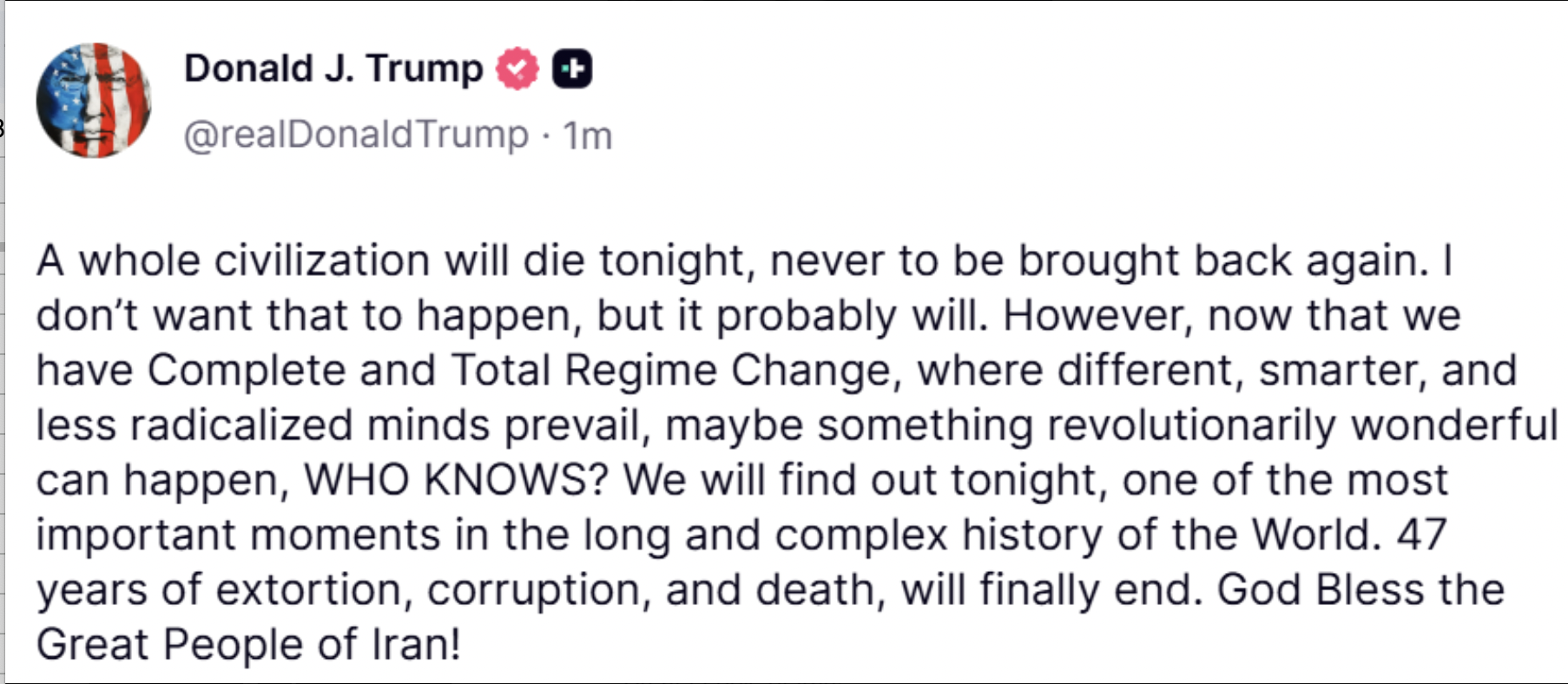
Recent statements from Donald Trump have intensified global concern about escalating tensions involving Iran, particularly after remarks suggesting the country could be “taken out in one night.”
Such language has drawn widespread attention—not only because of its severity, but because of the broader geopolitical context in which it was delivered.
Context Behind the Escalation
According to the scenario described, conflict dynamics involving the United States, Israel, and Iran have heightened following military actions earlier in the year. Iran’s strategic position—especially its influence over the Strait of Hormuz—adds significant global implications.
The Strait is one of the most critical energy chokepoints in the world, with a substantial percentage of global oil supply passing through it. Any disruption there can affect international markets, energy prices, and broader economic stability.
Interpreting the Rhetoric
Statements such as “taken out in one night” are often interpreted in multiple ways:
- Military signaling: A demonstration of strength intended to pressure negotiations
- Political messaging: Aimed at domestic or international audiences
- Strategic ambiguity: Leaving room for interpretation to maintain leverage
Public reactions—particularly on social media—have leaned toward worst-case scenarios, including speculation about nuclear weapons. However, such conclusions are not confirmed and often reflect heightened anxiety during uncertain periods rather than concrete policy.
The Role of Deadlines and Pressure
Deadlines, like the one reportedly set regarding the reopening of the Strait, are a common diplomatic tool. They can:
- Increase urgency in negotiations
- Signal seriousness of intent
- Attempt to shift momentum in a conflict
At the same time, they can also escalate tensions if not met, especially when paired with strong rhetoric.
Why Global Concerns Are Growing
Fears of a broader conflict—sometimes framed in public discourse as a potential “World War III”—tend to emerge when several factors align:
- Ongoing military engagement
- High-stakes economic interests (like oil routes)
- Inflammatory or ambiguous political statements
- Lack of visible diplomatic resolution
Even when such outcomes remain unlikely, the perception alone can influence markets, international relations, and public sentiment.
A Measured Perspective
While the language used in recent statements is undeniably intense, it’s important to distinguish between:
- Rhetorical escalation, which is relatively common in geopolitical conflicts
- Actual policy decisions, which involve multiple layers of military, diplomatic, and institutional processes
Large-scale actions—especially those involving extreme measures—are rarely decided or executed unilaterally or without significant global consequences.
Final Thought
Moments like this tend to amplify uncertainty. Strong words, ongoing conflict, and unclear outcomes create a space where speculation grows quickly.
At the same time, history shows that even during periods of heightened tension, diplomatic channels, strategic restraint, and international pressure often play a stabilizing role.
The situation remains fluid, but understanding the difference between rhetoric and reality is essential when evaluating developments of this scale.