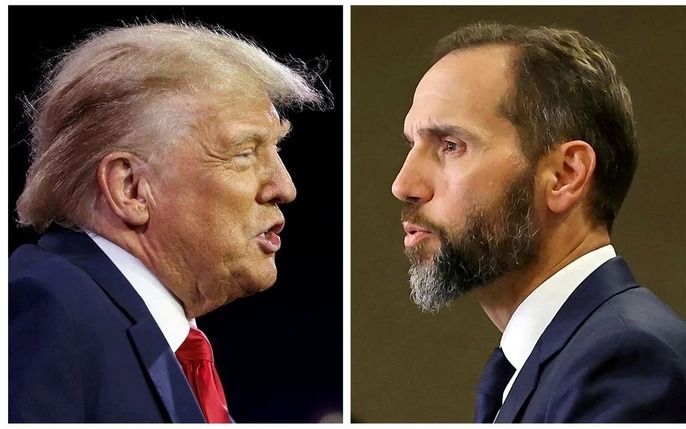

The unanimous D.C. Circuit opinion containing the famous ‘citizen Trump’ line was real – but it was issued on February 6, 2024. The Supreme Court later vacated that judgment, recognized broad immunity for official presidential acts, and the Jack Smith election case was dismissed before Trump returned to office.
WASHINGTON, D.C. – A dramatic 3-0 federal appeals ruling declaring that Donald Trump could not claim blanket criminal immunity is circulating again as if it were a fresh legal earthquake. The ruling is authentic. The timing is not. The 57-page D.C. Circuit opinion was issued more than two years ago, on February 6, 2024, in the federal election-interference prosecution brought by Special Counsel Jack Smith. More importantly, the Supreme Court later vacated that judgment and replaced its all-or-nothing approach with a far more protective immunity framework.
1. THE TRIGGER: A REAL RULING, RECYCLED AS BREAKING NEWS
The opinion in United States v. Donald J. Trump, No. 23-3228, was decided by Judges Karen LeCraft Henderson, Florence Pan and J. Michelle Childs. It was unanimous and issued per curiam.
The panel upheld Judge Tanya Chutkan’s refusal to dismiss Trump’s four-count federal indictment on immunity grounds. Its most quoted line said that, for purposes of that criminal case, former President Trump had become “citizen Trump,” with the same defenses available to other criminal defendants.
That language was real, and at the time it was a major defeat for Trump. But it is not a new 2026 decision, and presenting it as a ruling issued “early this morning” fundamentally changes the legal reality readers are being told.
2. WHAT THE D.C. CIRCUIT ACTUALLY HELD
The D.C. Circuit rejected Trump’s argument that a former president enjoyed categorical immunity from federal criminal prosecution for actions taken while in office. It also rejected his claim that criminal prosecution could proceed only after impeachment by the House and conviction by the Senate.
The panel reasoned that a former president could not transform the presidency into a permanent shield against generally applicable criminal law. It emphasized accountability and the constitutional interest in the peaceful transfer of power.
At that stage, however, the court did not divide the indictment allegation by allegation into “official” and “unofficial” presidential conduct. That omission became central when the case reached the Supreme Court.
3. THE SUPREME COURT CHANGED THE RULES
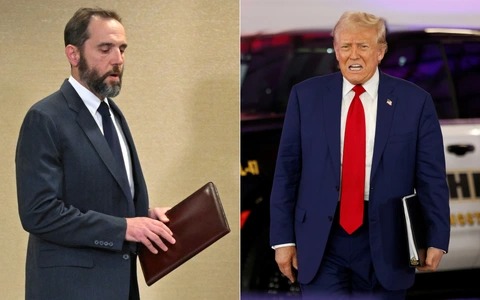 On July 1, 2024, the Supreme Court vacated the D.C. Circuit’s judgment in Trump v. United States and remanded the case.
The Supreme Court rejected both extremes. It did not accept Trump’s claim of absolute immunity for everything within the outer perimeter of presidential duties. But it also rejected the government’s position, embraced in practical effect by the lower courts, that a former president had no criminal immunity for official acts.
Instead, the Court created three categories: absolute immunity for conduct within the president’s exclusive constitutional authority; at least presumptive immunity for other official acts; and no immunity for unofficial acts. It specifically held that Trump’s interactions with Justice Department officials alleged in the indictment involved core executive authority and were absolutely immune from prosecution.
That ruling means the broad “citizen Trump” formulation cannot be used today as if it were the final governing rule.
4. THE IMPEACHMENT ARGUMENT DID NOT WIN
One part of Trump’s 2024 position still failed at the Supreme Court. The justices rejected the theory that the Constitution requires impeachment and Senate conviction before a former president can ever be criminally prosecuted.
The Court said the Impeachment Judgment Clause does not create that prerequisite. So the modern rule is not that presidents can never be prosecuted after leaving office.
The rule is narrower and more complicated: prosecution cannot be based on conduct protected by presidential immunity, and courts must classify the alleged acts before a criminal case can proceed. That is a major distinction from the viral claim that the Supreme Court simply endorsed unlimited presidential immunity.
5. THE JACK SMITH CASE NEVER REACHED TRIAL
After the Supreme Court remand, Smith obtained a superseding indictment designed to focus the case on conduct prosecutors believed remained prosecutable under the new immunity framework.
But the case did not proceed to a jury. Trump won the 2024 election. On November 25, 2024, Smith moved to dismiss the prosecution based on the Justice Department’s longstanding position that a sitting president cannot be federally prosecuted. Chutkan granted the request and dismissed the case without prejudice.
Smith’s final report, released in January 2025, confirmed that the election case was dropped because Trump was returning to the presidency – not because prosecutors had abandoned their view of the evidence or because the D.C. Circuit had issued a new ruling clearing the way to trial.
6. WHY THIS MATTERS NOW
 Old court decisions routinely return to social media stripped of dates, later appeals and procedural history. This one is especially misleading because the legal landscape changed dramatically after the 2024 D.C. Circuit decision.
A reader seeing only the 3-0 opinion could reasonably believe Trump has just lost an immunity fight and that a Jack Smith trial is about to restart. Neither is true. There is no new 2026 D.C. Circuit immunity ruling in this criminal case, the Supreme Court vacated the 2024 judgment, and the federal election prosecution itself was dismissed in 2024.
The strongest current headline is therefore not that Trump just suffered a constitutional defeat. It is that a genuine but superseded ruling is being recycled without the Supreme Court decision and case dismissal that came after it.
REALITY CHECK
WHAT IS ESTABLISHED
• The D.C. Circuit issued a unanimous 3-0 immunity opinion on February 6, 2024.
• The opinion used the ‘citizen Trump’ formulation and rejected blanket criminal immunity.
• The Supreme Court vacated that judgment on July 1, 2024 and recognized immunity for official presidential acts.
• Judge Tanya Chutkan dismissed the Jack Smith election case on November 25, 2024 after prosecutors requested dismissal.
WHAT IS NOT ESTABLISHED
• There is no new September 2026 3-0 D.C. Circuit ruling rejecting Trump’s immunity claim in the Jack Smith election case.
• The 2024 D.C. Circuit opinion is not the final controlling statement of presidential criminal immunity.
• The Supreme Court did not hold that presidents have immunity for unofficial acts.
• The federal election case is not currently moving toward a Jack Smith criminal trial.
Trump Announces Formation of U.S. Space Academy
 President Donald Trump has achieved another historic first as he works to reshape the U.S. military and shore up American national security and ingenuity for decades to come.
Trump signed an executive order Friday creating the U.S. Space Academy, a new initiative aimed at educating and training the next generation of engineers, operators and military personnel for careers in the space sector.
 The academy is intended to strengthen the country’s pipeline of technical and national security talent as the United States expands its focus on space exploration, defense and related technologies.
“That’s a big deal. So, you think of West Point, and you think of Annapolis, and you think of the Air Force Academy, and you think of the Coast Guard Academy — great — they’re all great, but we’re going to have now a space force,” Trump said during his speech at NASA’s Johnson Space Center in Houston.
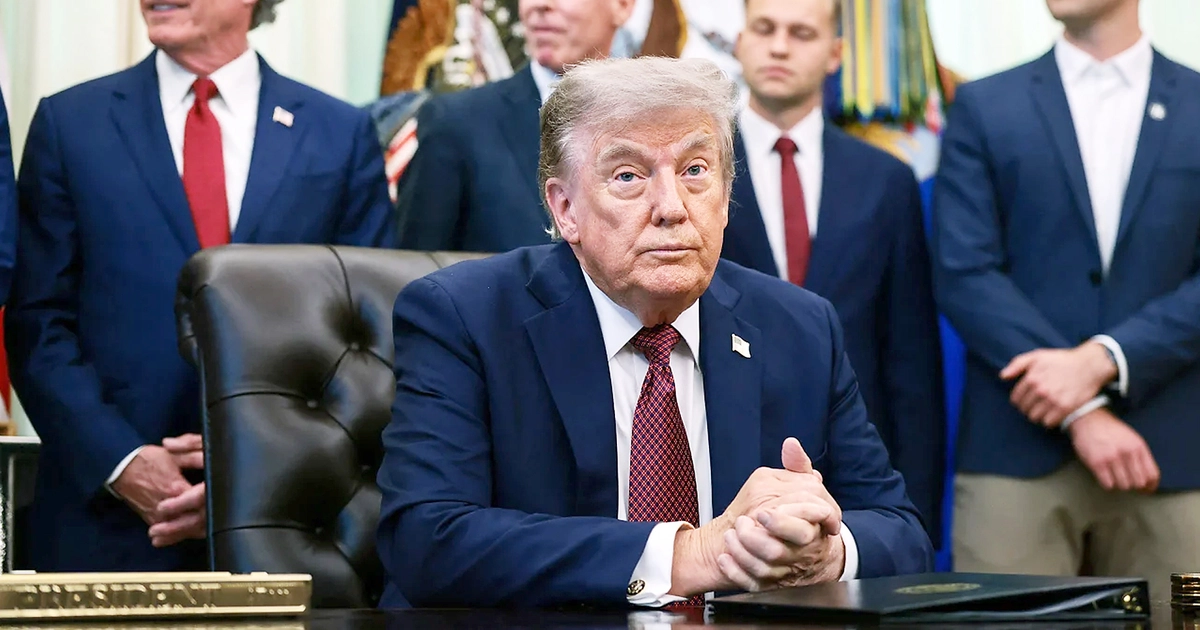 “We’re going to have an academy for what the people in this room love the most,” he added.
During the event, Trump also awarded the Congressional Space Medal of Honor to the crew of Artemis II, recognizing their contributions to the nation’s space program.
The president’s executive order begins the process of establishing the U.S. Space Academy and creates a commission to oversee its development.
 NASA Administrator Jared Isaacman will chair the commission as the administration works to define the academy’s structure, curriculum and long-term mission.
The commission will submit a report to the president within 120 days containing key detail proposals for the establishment of the institution, according to the order, The Hill reported.
The White House noted in Trump’s directive that the Space Academy will be dedicated to “rigorous technical education with leadership development, discipline and a durable commitment to public service” to develop a “professional corps of civically grounded leaders prepared to advance American interests within the space domain.”
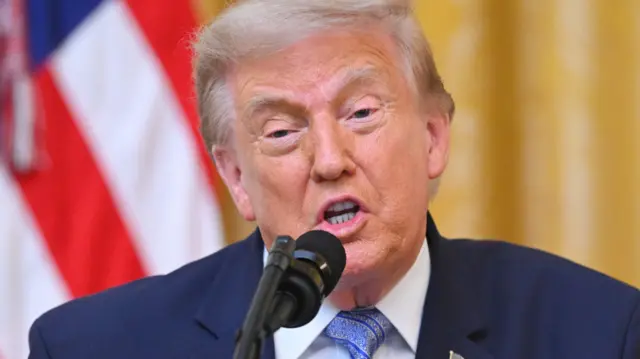 During his remarks Friday, Trump said he expects to announce the location of the new academy “very shortly.”
The president also noted that Sen. Ted Cruz, R-Texas, has been lobbying for the academy to be established in Texas.
Space policy has been a major focus for Trump across both of his administrations.
In 2019, he signed legislation creating the U.S. Space Force as a separate branch of the armed forces, marking one of the most significant changes to the military’s structure in decades, The Hill noted further.
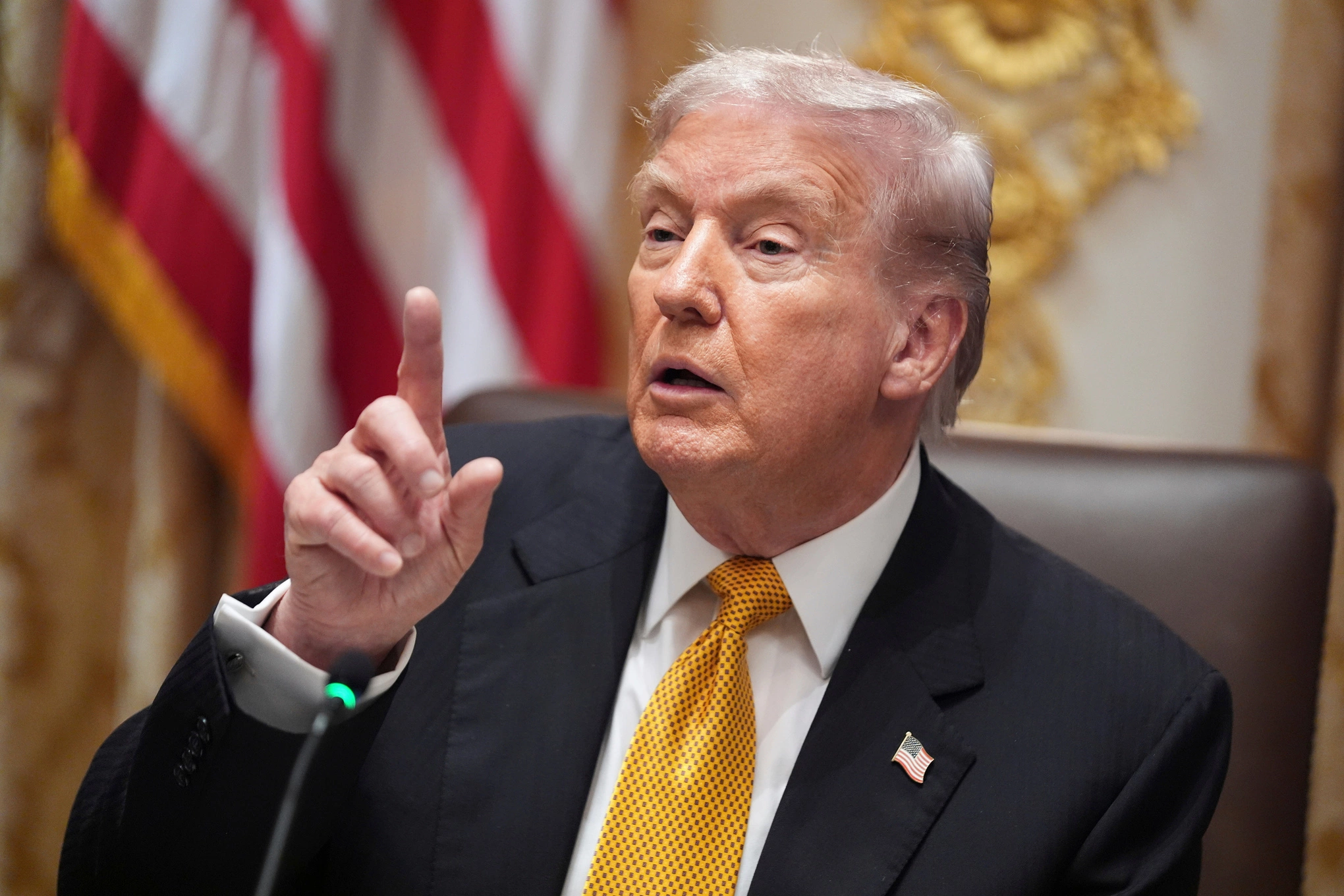 Trump made presidential history Friday during his visit to NASA’s Johnson Space Center that combined recognition for America’s astronauts with a major announcement about the future of the U.S. military in space.
The president also shared a lighthearted admission about whether he would ever personally consider making the journey beyond Earth.
Trump became the first sitting U.S. president to speak directly with astronauts aboard the International Space Station from NASA’s Mission Control Center in Houston.
But another moment from the visit placed Trump in the history books for an entirely different reason.
The president opened the conversation with a joke about the fascination many Americans have with the possibility of traveling into space.
“I wouldn’t do it,” Trump admitted.
“I hate to admit it. I would not want to do it. But some people love it more than anything,” he added.
The astronauts told Trump they were “thrilled” to have the opportunity to speak with him while describing some of the work they were conducting aboard the orbiting laboratory.
They explained that they were “in the middle of several spacewalks” and had another spacewalk scheduled for this week.
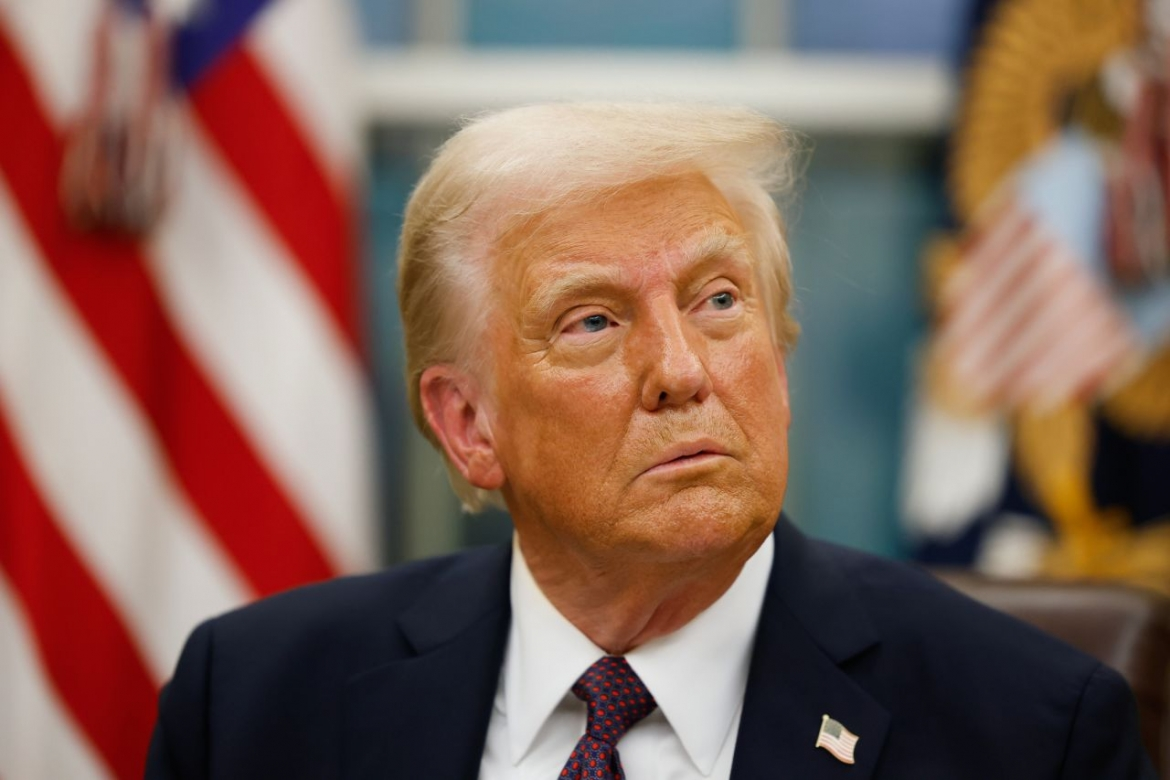 Trump praised the astronauts for their work and described the crew members as “pioneers” helping advance American space exploration.
The president also invited other officials accompanying him at Johnson Space Center to participate in the conversation with the astronauts.
“We’re going to see you when you get back,” Trump said.