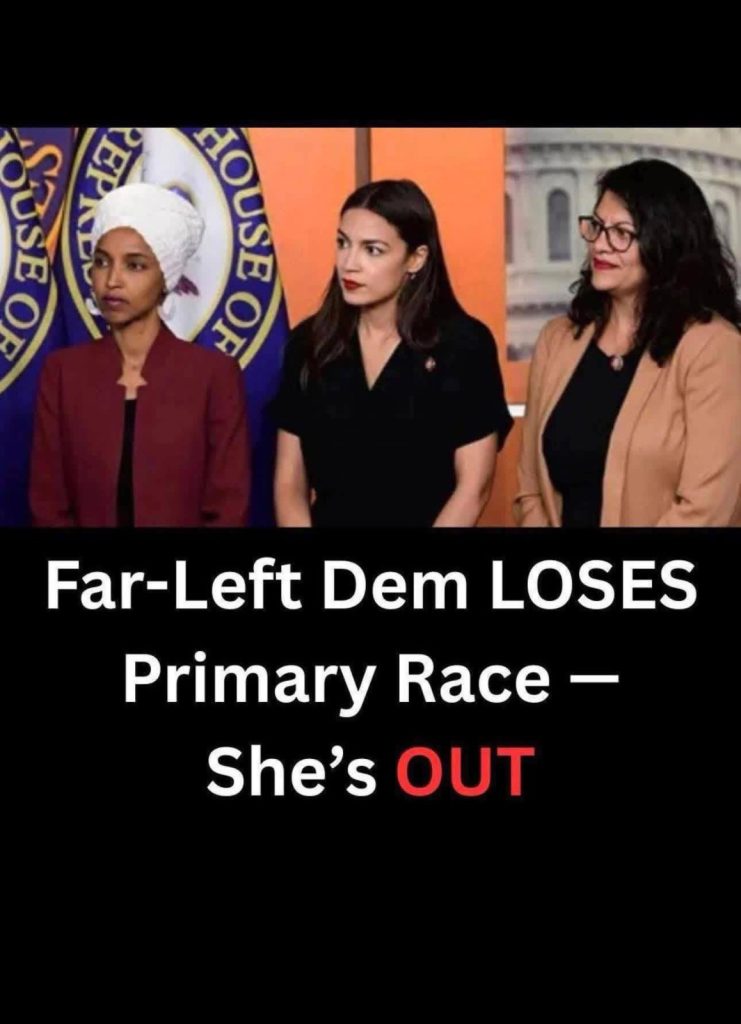

Progressive activists were hoping for a breakthrough driven by viral energy, compelling storytelling, and the kind of online momentum that can make a campaign feel inevitable. Instead, recent elections delivered a humbling reminder: attention is not the same as support, and digital visibility does not automatically become votes
In Arizona, Deja Foxx entered the race with national recognition, a strong personal story, and the kind of media fluency that fits the modern progressive model. Her campaign carried the language of urgency, identity, and emotional connection. It looked, in many ways, like the future many online progressives had been waiting for.
But when the votes were counted, Foxx lost to Adelita Grijalva.
Grijalva’s advantage did not come from internet fame or viral appeal. It came from something older and more durable: deep community roots, a familiar political name, and years of local trust. Voters chose established relationships over social media momentum. They responded less to performance and more to presence.
That does not mean the result was a rejection of progressive politics itself. It was, however, a warning to a certain style of campaigning—one that can sometimes confuse narrative strength with organizational strength. A powerful story may attract attention, but it cannot replace the patient, often invisible work of building credibility over time.
New York offered a different lesson.
Zohran Mamdani’s victory showed that progressive politics can win, but usually not through virality alone. His support was built through sustained grassroots effort, neighborhood-level organizing, tenant advocacy, and consistent presence in the communities he wanted to represent. His rise was not manufactured in a content cycle. It was built slowly, conversation by conversation, block by block.
That contrast matters.
Taken together, these races expose a growing tension inside Democratic politics. On one side is an increasingly visible culture of influencer-style campaigning, where reach, symbolism, and digital fluency are often treated as signs of political strength. On the other side is the older, less glamorous reality of electoral power: organization, trust, repetition, and local embeddedness.
The divide is not simply ideological. It is structural. It asks whether the party’s future will belong to candidates who command attention online, to organizers who build loyalty on the ground, or to entrenched political institutions that still know how to shape outcomes behind the scenes.
That question remains unsettled.
But these elections made one thing harder to deny: in politics, being seen is not enough. People still want to know who stayed, who listened, and who did the work before the spotlight arrived.