

More than three decades after she first held the screen opposite Keanu Reeves on a bus that could not slow down, Sandra Bullock remains one of the most instantly recognizable faces in global entertainment. Whether she is delivering a line with that warm, slightly off-center comic timing, walking a red carpet, or appearing in a candid moment that feels both ordinary and iconic, she projects an easy charm, dry humor, and quiet steel that are hard to miss. Time has not blurred her edges or dimmed her glow. If anything, it has sharpened the rare place she occupies in the public imagination—an actress who became a cultural constant without seeming to chase the role.
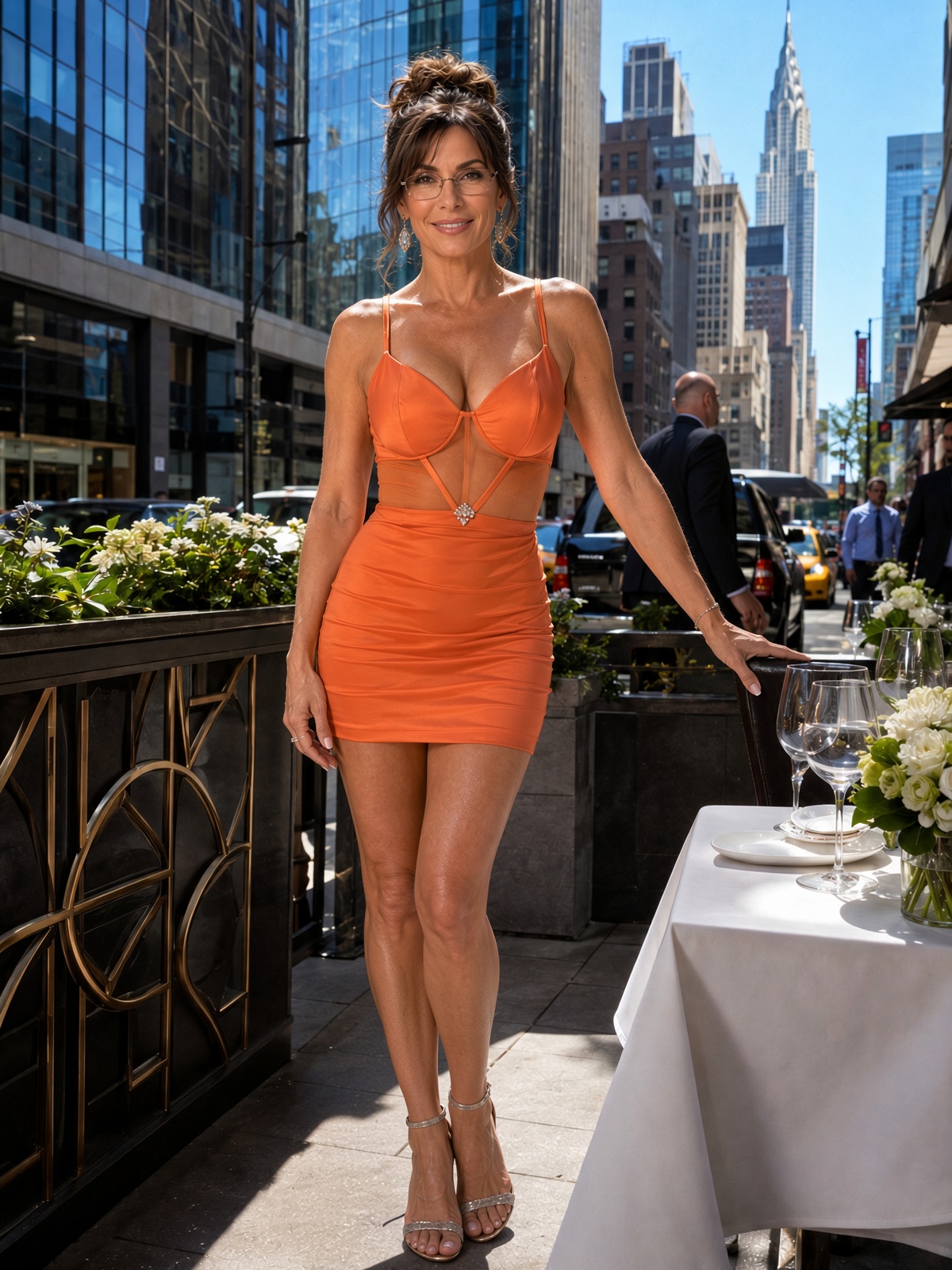
Her rise was hard-won and then suddenly complete. Bullock spent years building a résumé of small parts, off-Broadway work, and near-misses after a childhood split between Virginia and Europe, the daughter of a German opera singer and an American voice coach. Then Speed arrived in 1994 and changed the rules of stardom for a woman who had already been told she was not quite the conventional leading-lady type. Almost overnight, the working actress who had been “that girl from Demolition Man” became the face everyone remembered: approachable yet sharp, slightly clumsy yet fiercely capable, turning a high-concept thriller into something human and unforgettable. The film turned a struggling performer into an international name, a box-office reference point, and a generational touchstone within a single summer.
 The response was immediate and overwhelming. Audiences fell for her timing, her crooked smile, and the way she made vulnerability look like competence. Critics praised her comic and dramatic precision while tabloids dissected every look, relationship, and rumor with relentless appetite. The scrutiny was intense, often invasive, and it never fully quieted. Yet Bullock refused to shrink or harden under it. She kept showing up as herself—funny, grounded, and stubbornly human.
What has always set her apart is less a single performance than the force of her presence. She has never seemed especially interested in reinventing herself to match the moment’s trend. Her humor stays dry and self-aware. Her style evolves without apology. Her refusal to perform perpetual youth or perpetual drama has made her unusually durable. Even those who once dismissed her as “just the pretty girl from the action movie” have had to concede that she still commands attention in a way few of her peers do.
That same quality carried her long after the bus was retired. She moved between romantic comedies, darker dramatic turns, and quietly ambitious producing work. Films like While You Were Sleeping, Miss Congeniality, and The Proposal locked in her status as America’s sweetheart, while The Blind Side brought her the Academy Award for Best Actress and Gravity showed how far that familiar determination could stretch under extreme physical and emotional pressure. Off-screen she has spoken openly about the pressures of fame, the shock of a very public marital collapse at the height of her success, and the desire to live a life that feels authentic rather than curated for public consumption. Her emphasis on family—adopting two children and fiercely protecting their privacy—has become part of the persona without hardening into a slogan.
 For admirers, that consistency is the heart of her appeal. They see a woman who has navigated the machinery of celebrity without losing her center—someone who can still make an ordinary Tuesday look enviable and a complicated emotion land with perfect clarity. Her conversational ease and refusal to pretend perfection have sustained a loyal following across generations.
The same traits have also kept her under a certain kind of cultural microscope. Every new relationship, every career choice, every candid photo has been read as either triumph or cautionary tale. Critics have sometimes reduced her to a symbol of blockbuster charm or of the “sweetheart” who never quite escaped the gaze. Supporters counter that the intensity of the commentary reveals more about the industry’s discomfort with a woman who continues to thrive on her own terms than it does about Bullock herself.
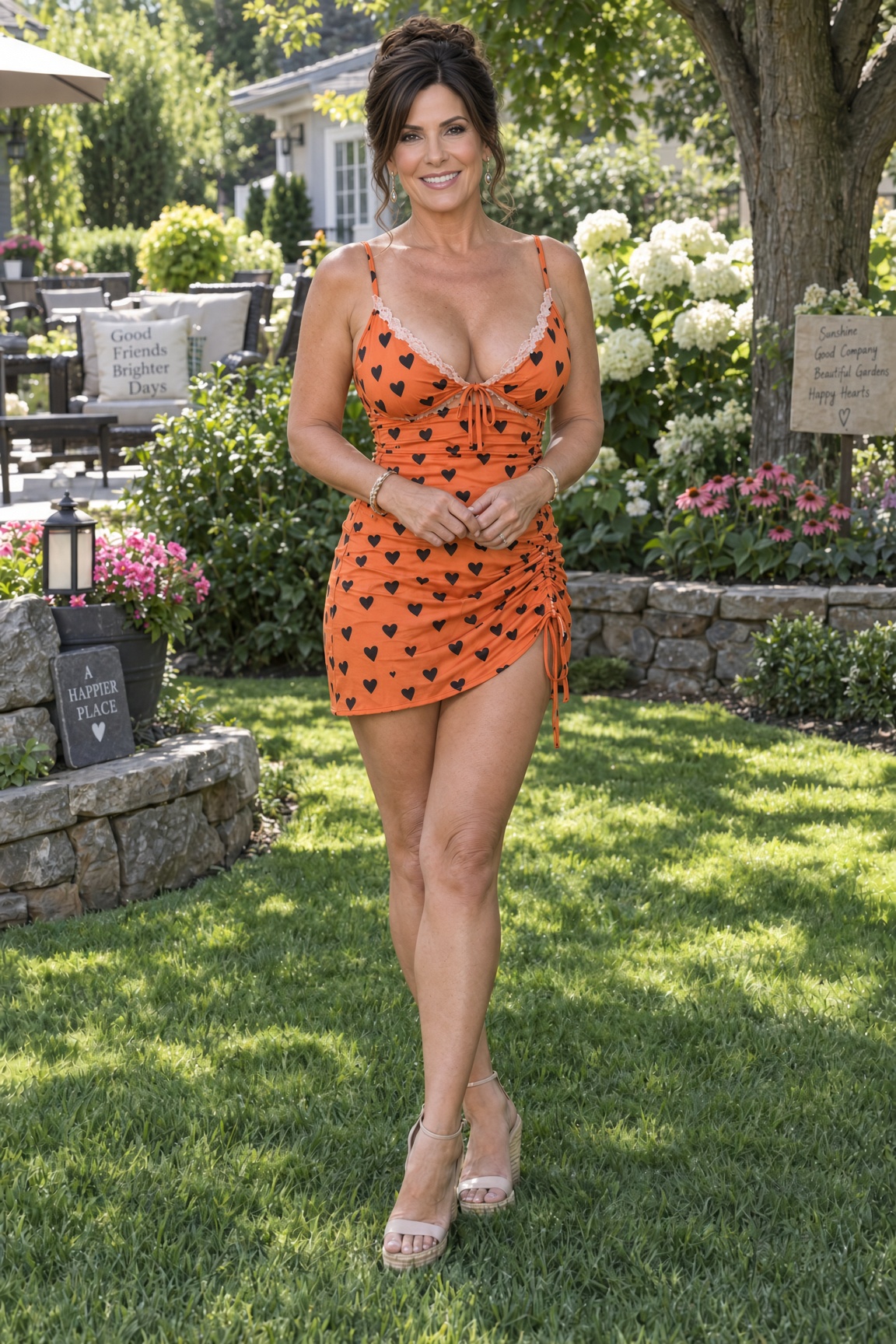 In many ways her career anticipated shifts that later became widespread: the blending of crowd-pleasing comedy with awards-season credibility, the power of a personal brand built on presence rather than mystique, and the public appetite for celebrities who acknowledge the absurdity of fame while still delivering the work. Long before social media turned every public figure into a content stream, Bullock showed how a distinctive, steady presence could hold national attention across decades.
Her significance therefore reaches beyond any single series or box-office number. Bullock became part actress, part cultural reference point, and part quiet proof that longevity in Hollywood does not require constant reinvention or permanent youth. To admirers she has represented resilience, humor, and a kind of unforced warmth. To skeptics she has sometimes stood for a more commercial strain of stardom. The distance between those readings helps explain why conversations about her rarely stay neutral for long.
Years after Speed first introduced her to the wider world, Sandra Bullock continues to draw the eye for a simple reason: she has remained recognizably herself. Whether she is headlining a new project, appearing in a still that feels both classic and current, or simply moving through life with that familiar mix of grace and dry wit, she projects the same unmistakable presence that first made her impossible to ignore.