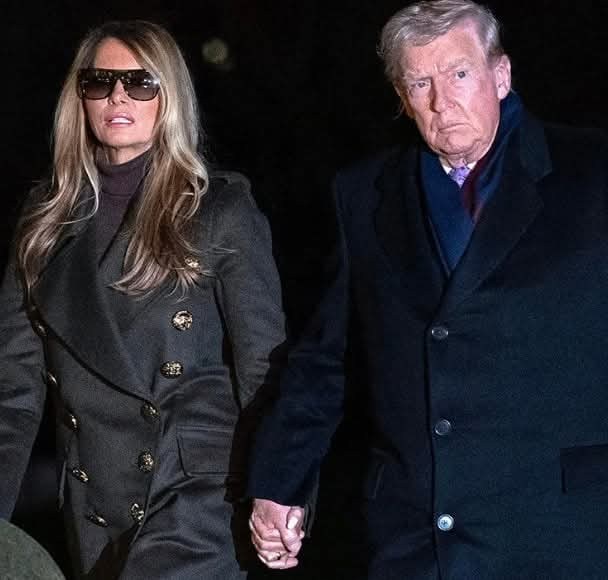

A new wave of political debate has emerged in Washington following recent developments that have brought renewed attention to questions of transparency, influence, and accountability. At the center of the reaction is Donald Trump, who has responded strongly as the discussion continues to grow across media and political circles.
This moment differs from typical partisan clashes. Instead of focusing only on party disagreements, the conversation has expanded into broader concerns about past associations, financial networks, and how influence operates within national politics. Many analysts see this as part of a deeper examination of systemic issues that go beyond any single figure or political group.
A significant part of the discussion connects back to the legacy of Jeffrey Epstein, whose associations have previously been used in political arguments. While earlier debates often targeted specific opponents, current scrutiny appears more wide-ranging. Observers are now looking more closely at relationships, historical interactions, and the role of powerful donors across the political spectrum, which has increased public curiosity about how access and influence are shaped behind the scenes.
Attention has also turned toward current leadership figures, including Hakeem Jeffries, as past decisions and connections are revisited. For many commentators, the focus is less about isolated actions and more about consistency—whether public positions align with private conduct. This has added momentum to ongoing conversations about accountability standards in government.
At the same time, analysts continue to highlight the role of campaign financing and donor networks in shaping political outcomes. Major contributors, advocacy groups, and financial backers often maintain connections across party lines, creating a complex system where influence is not always visible to the public. As awareness of these dynamics grows, calls for clearer boundaries, transparency measures, and potential reforms are becoming more prominent.
Public reaction has been mixed but notably engaged. Many voters are showing increased interest in issues like ethical leadership, institutional trust, and government accountability. Rather than viewing events strictly through a partisan lens, there is a gradual shift toward questioning the broader systems that support political power.
Looking ahead, experts suggest that this moment could influence future policy discussions, campaign messaging, and voter expectations. Whether it leads to concrete reforms or remains part of an ongoing debate will depend on how political leaders and institutions respond.
What is clear is that situations like this can reshape public perception. In a fast-moving media environment, complex political topics can quickly become central to national conversation, reinforcing the importance of transparency and trust in modern governance.